2026 台灣慢城聯盟年會晚宴2026 Cittaslow Taiwan Assembly Dinner

聽見大武山下的歌謠Songs from Beneath Mt. Dawu

慢城晚宴The Slow City Dinner

風土與土地的共響A Resonance of Land & Terroir

一座慢城,是一段向土地學習的過程。 A slow city is a long apprenticeship to the land.

今晚,我們將瑪家山林間的清風、溪流的滋養,以及部落耆老傳承的智慧,收納於這一桌饗宴之中。 Tonight we gather the clear wind of Majia's forests, the nourishment of its streams, and the wisdom handed down by tribal elders — and set them upon this single table.

從野生山菜的採集、高山穀物的柴燒發酵,到 vuvu 搖搖飯裡的溫柔記憶——這不只是一餐晚宴,更是瑪家風土與職人手藝交織的慢食故事。 From wild greens gathered on the slopes, to highland grain leavened over woodfire, to the tenderness held in vuvu's shaken porridge — this is not merely a dinner, but a slow-food story woven from Majia's terroir and the hands of its artisans.

邀請您放慢腳步,傾聽土地的聲音,與我們一同共響這份來自原鄉的祝福。 We invite you to slow your pace, to listen for the voice of the land, and to resound together with this blessing from our homeland.

Majia · Pingtung · Cittaslow Taiwan

迎賓茶席與小點Welcome Tea & Bites

Reception
迎賓特調Welcome Infusion

山田三飲(藜梗・洛神・咖啡葉) Three Drinks of the Mountain Fields (djulis stalk · roselle · coffee leaf)

來自瑪家的山田日常。The everyday of Majia's mountain fields.

紅藜梗承載土地韌性,洛神帶出部落熱情,咖啡葉則有高山清香。以三種作物迎賓,象徵排灣族人與自然共生的溫柔日常。 The djulis stalk carries the resilience of the soil, roselle draws out the warmth of the tribe, and coffee leaf brings the clean fragrance of the highlands. Three crops greet you — an emblem of the gentle daily life the Paiwan share with nature.

迎賓小點Welcome Bites

歲月烤香(部落芋乾與花生) Roasted Years (tribal dried taro & peanuts)

土地智慧與歲月香氣。The wisdom of the land, the fragrance of time.

芋頭乾(Arame)是排灣族過去重要的備糧,也常見於日常與遠行食用。經慢火烘烤後更顯甘甜,搭配香烤花生,吃進嘴裡的是家常的滋味與時光的積累。 Dried taro (Arame) was once a vital reserve food for the Paiwan, eaten day to day and carried on long journeys. Roasted slowly, it turns sweeter still; paired with roasted peanuts, what you taste is the flavour of home and the accumulation of time.

晚宴饗宴The Banquet

Twelve Courses
01
採集Foraging

風土旬採野生山菜沙拉Seasonal Wild Mountain Greens Salad

順應節氣,認識山林。In step with the seasons; in touch with the forest.

排灣族的飲食智慧從山林採集開始。採集野生山菜,搭配在地果乾入菜,將土地最當令的滋味帶上餐桌,呈現山林與生活緊密相連的日常。 Paiwan food wisdom begins with gathering in the forest. Wild mountain greens are picked and paired with local dried fruit, bringing the land's most seasonal flavours to the table — daily life bound tightly to the mountains.

02
醞釀Leavening

工寮手作原生小米麵包Hand-Made Native Millet Bread

時間與穀物的自然發酵。Grain and time, naturally fermented.

小米(Vaqu)是排灣族重要的作物,承載著節慶、信仰與生活記憶。以工寮手作與自然發酵烘焙成麵包,讓穀物香氣在時間中慢慢醞釀,展現土地孕育的純樸風味。 Millet (Vaqu) is a crop of great importance to the Paiwan, carrying festival, faith and the memory of living. Made by hand in the field hut and naturally leavened before baking, its fragrance ripens slowly through time — the plain, honest flavour the land brings forth.

03
暖心Warmth

慢熬山海金色濃湯Slow-Simmered Golden Soup of Mountain & Sea

山與海交織的溫柔序幕。A tender prelude where mountain meets sea.

金黃南瓜與龍膽石斑慢火細熬,濃湯裡藏著山海的滋味,也像石板屋裡升起的暖意。綿密濃醇的口感,溫柔迎接每位歸鄉與來訪的賓客。 Golden pumpkin and giant grouper are simmered gently together; the soup holds the flavours of both mountain and sea, and something of the warmth that rises inside a slate house. Velvety and deep, it welcomes every guest — those returning home and those arriving for the first time.

04
傳承Lineage

三石灶勇士樹豆排骨湯Three-Stone Hearth Warrior-Bean & Pork Rib Soup

三石灶下的堅韌與照顧。Resilience and care beneath the three-stone hearth.

三石灶(Sapuk)是排灣家屋的重要記憶與烹煮核心。樹豆(Puk)被稱作勇士豆,昔日常作為遠行與勞動時的補給。以慢火燉煮排骨,傳遞堅韌與家族傳承。 The three-stone hearth (Sapuk) is the cooking heart of a Paiwan house and one of its deepest memories. The pigeon pea (Puk), known as the warrior's bean, once sustained long journeys and hard labour. Slow-stewed with pork ribs, it carries resilience and the lineage of a family.

05
炙香Woodfire

野生刺蔥柴燒桶仔雞Wild Tjana'm Woodfired Barrel Chicken

野地香草與柴燒熱情。Wild herbs and the ardour of woodfire.

刺蔥(Tjana’m)是部落極具代表性的香料,香氣鮮明而有個性。搭配柴燒桶仔雞慢火烘烤,肉香、油脂與野地氣息交融,展現部落宴席熱情而豪爽的風味。 Tjana'm is one of the tribe's most representative aromatics — vivid, insistent, full of character. Roasted slowly with the chicken in a woodfired barrel, meat, fat and the scent of open country merge into one: the warm, open-handed flavour of a tribal feast.

06
岩燒Slate-Fired

石板炙香傳統烤豬肉Traditional Pork Grilled on Slate

天然板岩的純粹炙香。The pure sear of natural slate.

石板不只是建築材料,也是部落料理的重要媒介。高溫炙烤讓豬肉逼出油脂、表面微酥,入口帶有石板特有的岩香,呈現最直接、最純粹的部落肉食風味。 Slate is not only a building material but an essential medium of tribal cooking. Fierce heat renders the pork's fat and crisps its surface, leaving the mineral scent particular to stone — the most direct and most elemental way the tribe tastes meat.

07
溪饋River's Gift

山溪魚一口酥Crisp Mountain-Stream Fish, One Bite

清澈溪流的鮮美餽贈。A sweet gift from clear running water.

山溪魚來自瑪家清澈溪流,是自然贈予山村的鮮味。以酥炸方式呈現,外酥內嫩,保留溪魚本身的清鮮,讓人品嚐到山林與水域共同孕育的純淨滋味。 These stream fish come from the clear waters of Majia — nature's gift of sweetness to a mountain village. Fried until crisp outside and tender within, they keep the fish's own clean freshness, so you taste the purity that forest and water raise together.

08
旬味In Season

鮮採半山涼拌檳榔花Freshly Picked Betel Blossom, Dressed Cold

山風般的清新轉折。A fresh turn, like wind off the ridge.

檳榔在部落生活裡與祭儀、建材與童年記憶緊密相連。檳榔花口感清脆細嫩,以涼拌手法調味,酸甜爽口,為整場宴席帶來清新明亮的花開轉折。 In tribal life the betel palm is closely bound to ritual, to building, and to childhood memory. Its blossom is crisp and delicate; dressed cold, sweet and tart and clean on the palate, it brings the feast a bright turn, like a flower opening.

09
豐饒Abundance

原鄉雜糧圓餅佐風土醬Homeland Multigrain Round Cake with Terroir Preserve

團聚、分享與豐收的甜美。The sweetness of gathering, sharing, harvest.

小米、高粱等部落多元雜糧揉合成圓餅,象徵圓滿與團聚。搭配以在地果實熬製的風土果醬,讓部落農作的多樣性與土地收成在一口之間完整呈現。 Millet, sorghum and other tribal grains are kneaded into a round cake — a figure of wholeness and reunion. Served with a preserve simmered from local fruit, the diversity of tribal farming and the harvest of the land arrive complete in a single mouthful.

10
記憶Memory

vuvu 的野菜搖搖飯(Pinuljacengan) Vuvu's Wild Greens Shaken Porridge (Pinuljacengan)

記憶深處的溫柔牽掛。A tenderness kept deep in memory.

Pinuljacengan 是許多排灣族孩子記憶中的家常味。祖母(vuvu)將野菜與穀糧邊煮邊搖拌,煮出的不只是飽足,更是長輩照顧家人的溫柔與最深的牽掛。 Pinuljacengan is the home flavour many Paiwan children remember. Grandmother — vuvu — shakes and stirs wild greens together with grain as it cooks; what comes out of the pot is not only a full stomach, but an elder's tenderness in caring for her family, and her deepest attachment to them.

11
歡慶Celebration

部落祝福傳統 Cinavu Traditional Cinavu, the Tribe's Blessing

尊榮貴賓的宴客重頭戲。The centrepiece held for honoured guests.

Cinavu 是排灣族宴客與節慶的重要食物。以假酸漿葉包裹小米與芋頭粉,蒸煮後葉香與穀香交融,不僅風味獨特,更象徵對貴賓最誠摯、最深厚的祝福。 Cinavu is a food central to Paiwan hospitality and festival. Millet and taro flour are wrapped in the leaves traditionally used for cinavu and steamed until leaf and grain fragrance merge — a flavour entirely its own, and the tribe's most sincere and most profound blessing upon its guests.

12
盛宴The Feast

雙味經典手作 Avai Classic Hand-Made Avai, Two Flavours

節慶裡分享的綿密祝福。A soft blessing, shared at festival.

Avai 是慶典與祭儀中不可或缺的糕點。以小米與南瓜的黏性包裹鹹香豬肉與甜味紅豆,再以葉片包裹蒸製,展現鹹甜並陳、分享祝福的節慶滋味。 Avai is indispensable to celebration and rite. The stickiness of millet and pumpkin encloses savoury pork on one hand and sweet red bean on the other; wrapped in leaves and steamed, it sets salt and sweet side by side — the festive taste of a blessing meant to be shared.

甜點Dessert

Finale
共饗Shared Finale

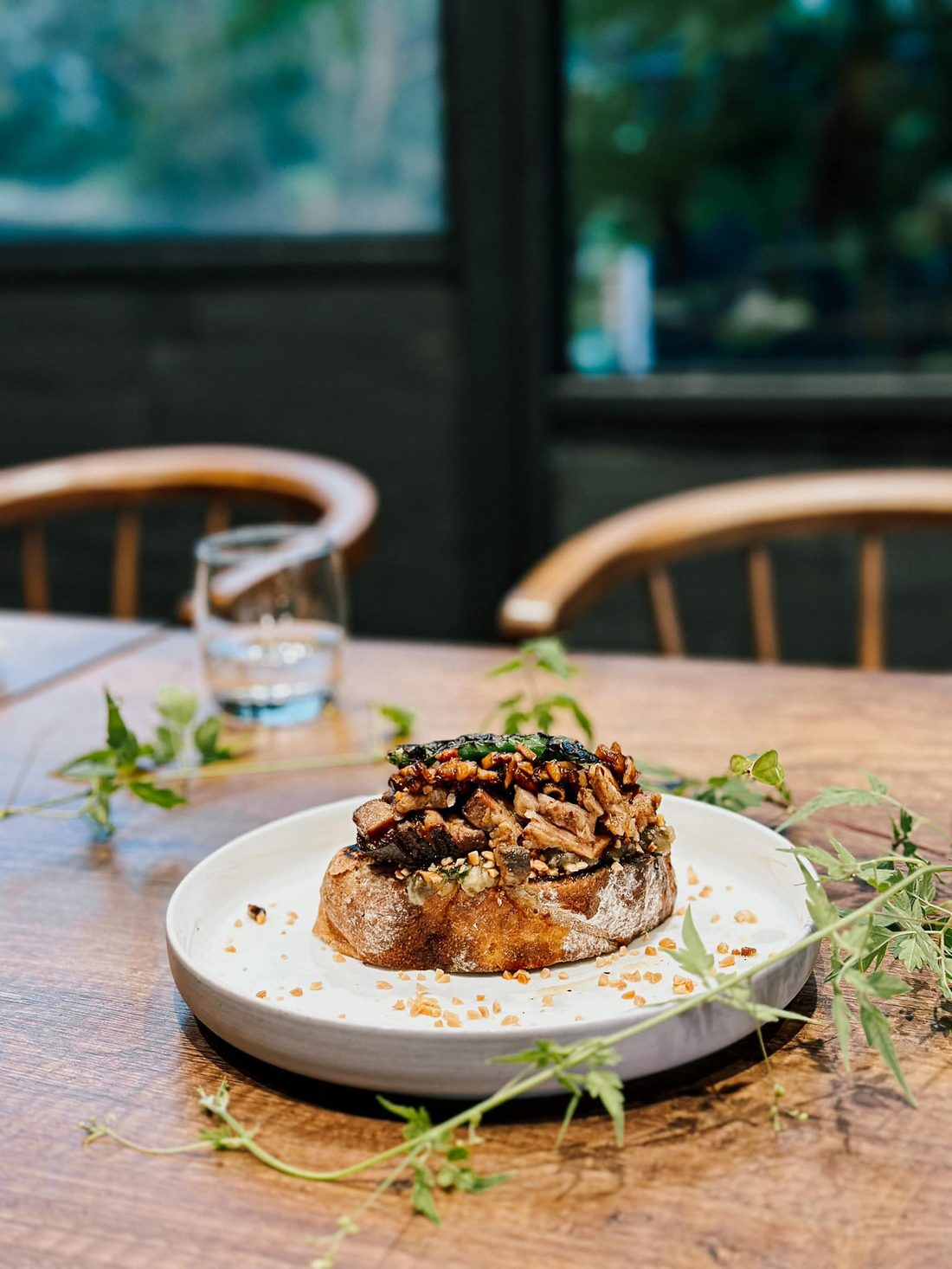
柴燒清香手作檸檬派(小農餐桌) Woodfired Hand-Made Lemon Pie (Small Farmers' Table)

山林火氣與溫柔尾韻。Mountain fire, and a tender final note.

以小農餐桌的手作甜點作結,將柴燒的淡淡煙香揉合煉乳與檸檬的酸甜。既延續山林火氣與手作溫度,也為整場原鄉風味晚宴留下清爽而溫柔的尾韻。 The evening closes with a hand-made dessert from the Small Farmers' Table, folding the faint smoke of woodfire into the sweet-sour of condensed milk and lemon. It carries forward the fire of the mountains and the warmth of handwork, and leaves this homeland feast a clean, gentle finish.

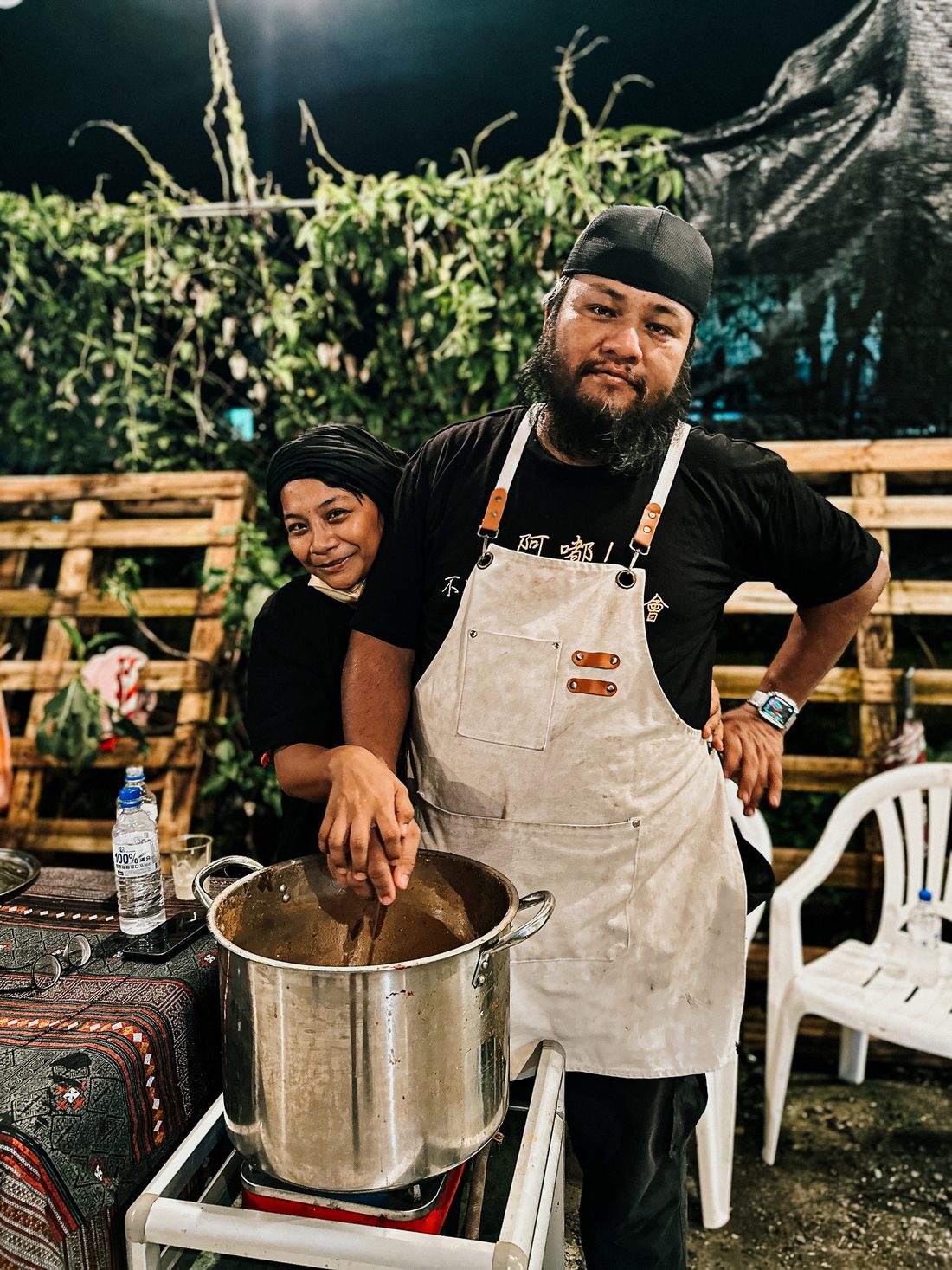
小農餐桌主廚於柴燒窯前工作
今晚的廚房Tonight's Kitchen

小農餐桌

kakanan nua qemuma-quma

從田裡長出來的排灣風土料理 Paiwan terroir cooking, grown out of the field

位於屏東縣瑪家鄉三和村的「小農餐桌」,以排灣傳統雜糧與部落小農作物為料理核心。 Based in Sanhe Village, Majia Township, Pingtung, Small Farmers' Table builds its cooking around traditional Paiwan grains and the crops of tribal smallholders.

「kakanan nua qemuma-quma」在排灣語中意指「田裡吃飯的地方」,也說明了小農餐桌最重要的精神——餐桌不是料理的終點,而是從土地、種植、農人到飲食文化彼此相遇的地方。 In Paiwan, “kakanan nua qemuma-quma” means “the place where one eats in the field” — which says what matters most to them: the table is not where cooking ends, but where land, planting, farmers and food culture meet one another.

小農餐桌主廚夫婦 小農餐桌的雜糧料理

小農餐桌長期運用小米、高粱、樹豆、花生及各式部落傳統作物進行料理創作,在傳統飲食文化的基礎上,不斷嘗試新的料理形式。從 lamuq、cinavu,到雜糧麵包、手工圓餅與不同風味料理,都可以看見傳統作物進入當代餐桌的可能。 They have long cooked with millet, sorghum, pigeon pea, peanuts and other traditional tribal crops, and on the foundation of that food culture they keep trying new forms. From lamuq and cinavu to multigrain breads, hand-made round cakes and dishes of many flavours, you can see traditional crops finding their way onto a contemporary table.

對小農餐桌而言,料理不只是「呈現部落特色」,更希望透過每一次使用、每一道料理,讓部落小農種植的作物持續被需要,支持山村裡仍然耕種與保種的人。 For them, cooking is not only a matter of “presenting tribal character”. Through every use and every dish, they hope the crops that tribal smallholders grow will go on being needed — supporting the people who still farm, and still keep seed, in the mountain villages.

因此,小農餐桌所端出的不只是一桌料理,而是一種從土地出發的飲食實踐—— And so what they bring to the table is not merely a meal, but a way of eating that begins in the soil —

讓傳統作物繼續被種、被吃,也在今天的生活裡繼續長出新的味道。 letting traditional crops keep being planted and eaten, and keep growing new flavours in the life we live today.

今晚的甜點「柴燒清香手作檸檬派」,即出自小農餐桌之手。 Tonight's dessert — the woodfired hand-made lemon pie — comes from their kitchen.

慢城.瑪家 Cittaslow Majia

敬土地,敬遠道而來的您To the land — and to you, who came so far

瑪家慢城年會晚宴|2026.08.12|屏東.瑪家Majia Cittaslow Assembly Dinner|12 Aug 2026|Majia, Pingtung, Taiwan